Dawn to Dusk on Ancient Pathways

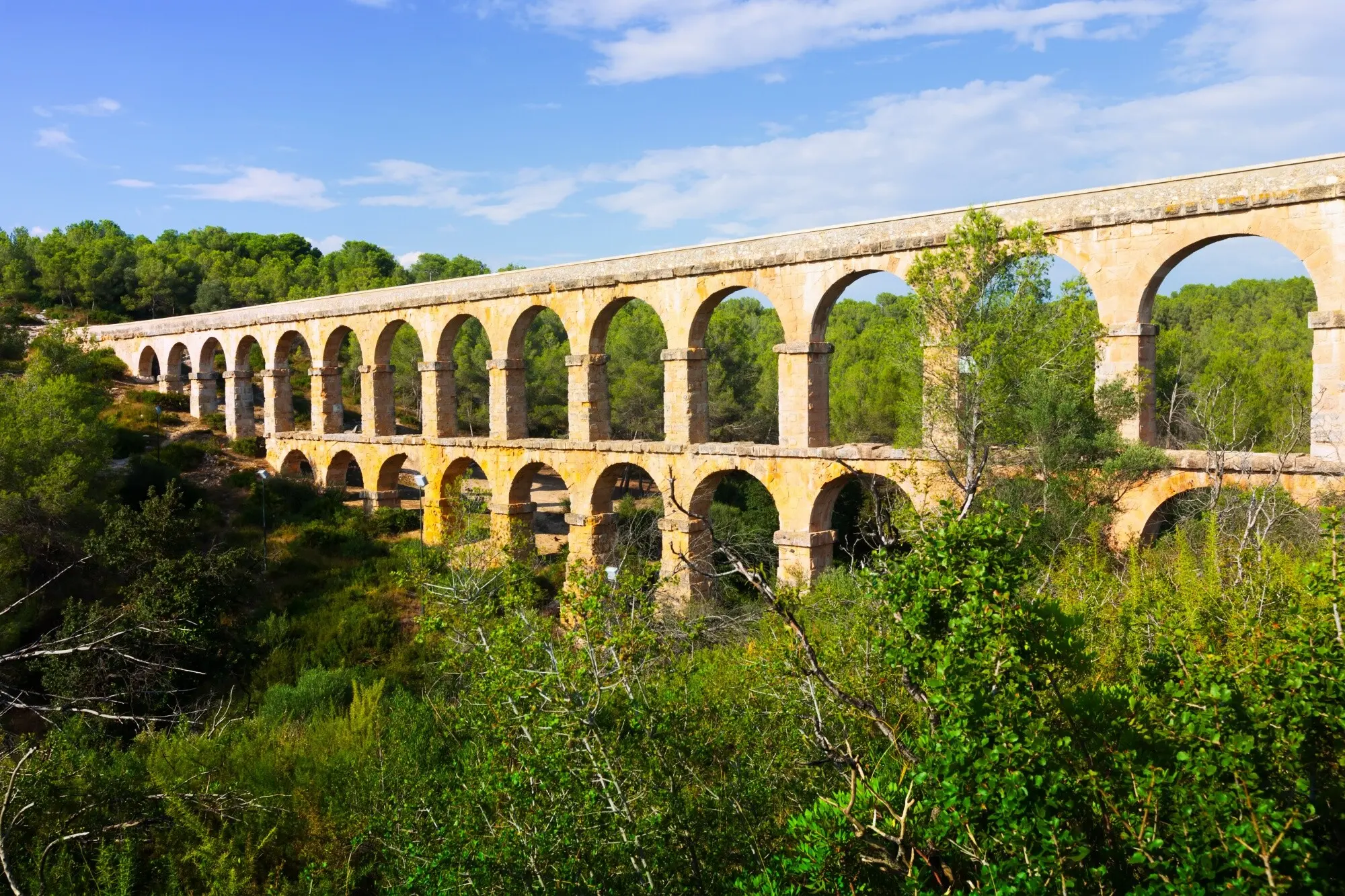
Set out along age-old routes with a practical, dawn-to-dusk guide that unites essential gear choices, safety routines, and navigation wisdom drawn from Roman roads, pilgrimage trails, and forgotten trade tracks. From frosty first light to the soft glow of evening, you’ll carry confidence, conserve energy, and return safely with stories worth sharing and lessons ready for your next luminous journey.

First Light Preparation

Thorough preparation turns a long day into a rewarding memory. Research the route’s history to locate milestones, springs, and traditional shelters, then map realistic daylight windows. Build a turnaround time, identify escape paths, and leave your plan with someone reliable so every hour between sunrise and dusk remains purposeful, flexible, and comfortably within your abilities.

Footwear, Layers, and Protection That Endure

Comfort and safety rise from the ground up. Choose footwear that grips worn stones without crushing toes, and build a clothing system that breathes at noon yet defends against dawn chill. Guard skin and eyes from brightness, wind, and sharp grit so fatigue arrives late, blisters stay rare, and every step across carved slabs remains confident.

Boots and Socks Synergy

Pair midweight boots with resilient, moisture-wicking socks, carrying a spare dry set for the descent. Test fit on uneven steps, ensuring toes do not jam. Pre-tape known hotspots and keep a small blister kit accessible. A firm heel cup and moderate flex help on slick stones, while lacing techniques fine-tune comfort as temperatures and terrain shift.

Layering for Range

Adopt a three-layer strategy that adapts from shivery trailheads to radiant midday stretches: a wicking base, an insulating mid, and a protective shell. Prioritize ventilation zips and quick-dry fabrics. Pack lightweight gloves and a compact beanie; ancient corridors funnel wind unpredictably. Adjust often, preventing sweat chill that can drain energy before afternoon shadows lengthen.

Navigation on Forgotten Roads

Old routes whisper guidance through subtle signs: faint cart ruts, chiseled drainage, or mile stones half-swallowed by grass. Combine these with compass bearings and satellite imagery, but keep independence from batteries. Accept that some sections vanish. When they do, calm procedures, reference points, and conservative decisions restore the line, preserving daylight, morale, and precious energy.

Reading Historic Clues

Look for parallel grooves indicating wheel tracks, slightly crowned surfaces channeling rain, or masonry retaining walls hugging slopes. Where villages once stood, expect junctions and wells. Walls of dry stone often guide the corridor. Train your eye to notice quarry scars and weathered milestones that reveal direction when modern markers fade or wander off uncertainly.

Modern Tools, Wise Habits

Carry a GPS with offline maps, a charged phone in airplane mode, and a traditional compass as the final word. Waypoint springs, passes, and safe bailouts. Practice deliberate pauses at decision points, confirming bearings twice. Electronics assist, but disciplined checks, paper backups, and mentally rehearsed exits keep you oriented even when screens go silent unexpectedly.

Finding the Way When It Vanishes

If tread dissolves into thicket or scree, stop, breathe, and backtrack to your last confirmed point. Take a bearing toward a reliable landmark such as a saddle or tower. Scout briefly in controlled arcs. Avoid wishful shortcuts. When uncertainty persists, retreat gracefully, protecting daylight reserves for a patient, confident re-approach or safe withdrawal.

Risk Awareness: Weather, Wildlife, Terrain

Ancient corridors concentrate wind, funnel heat, and invite wildlife across predictable choke points. Learn to read cloud texture, surface runoff scars, and fresh tracks. Anticipate rockfall zones beneath cliffs and sudden storms that turn polished stones treacherous. Proactive choices and respectful distance keep momentum steady while preserving the quiet dignity of these historic landscapes.

Interpreting Sky Signs

Study high, fast-moving mares’ tails that herald changes aloft, and observe darkening cloud bases that gather near ridges by afternoon. Note wind shifts in saddles and rising humidity on your skin. Establish shelter thresholds early. Don your shell before rain hits, and choose traction-friendly alternatives when storm-polished slabs threaten slips beyond acceptable margins.

Sharing Space with Wildlife

Wild creatures favor water sources and narrow passes, the same places travelers seek. Announce your presence with calm voice, give ample room, and never corner or feed. Secure snacks and fragrant items. Learn regional behavior cues. If surprised, step aside deliberately, keeping poles low. Respectful patience preserves safety while honoring the inhabitants of these storied corridors.

Scree, Ledges, and Loose Stone

Test each step on unstable debris, placing weight gradually before committing. Keep hips over feet, knees soft, and eyes scanning two moves ahead. Communicate with partners to avoid dislodging rocks onto one another. Helmets are wise beneath cliffs. When ledges narrow, unclip trekking pole straps to prevent entanglement if a quick balance correction becomes necessary.

Fuel, Water, and Daylight Budget

Strong days depend on timely sips, steady calories, and vigilant clockwork. Calculate water needs with contingencies for heat and wind. Stage quick snacks accessible without removing the pack. Align breaks with scenic, shaded points that boost morale. Plan your golden-hour position and protect a buffer of light for unhurried, attentive travel back toward familiar ground.

Water Math and Filtration

Estimate one half to one liter per hour depending on heat, effort, and wind. Cache knowledge of springs and carry a compact filter or treatment drops. Use a soft flask for frequent sipping and a reservoir for volume. Monitor urine color as feedback, adjusting before thirst grows demanding and decision-making begins to subtly erode.

Smart Calories and Salt

Aim for two to three hundred calories per hour, mixing quick sugars with complex carbs and small protein hits. Include salty bites to replace sweat losses. Prefer familiar foods to prevent stomach rebellion on remote stretches. Schedule micro-snacks during steady walking to avoid heavy, sleepy digestion that blunts awareness in critical navigation zones.

Rest Rhythm That Builds Strength

Adopt short, regular pauses that maintain warmth and focus rather than long, cooling stops. Sit where you can observe landmarks and re-check bearings while eating. Stretch calves, shake out shoulders, and assess foot hotspots. This rhythm preserves efficiency, protects daylight, and keeps the return leg crisp, controlled, and pleasantly energized into the softening light.

Golden-Hour Return and Aftercare

Evening amplifies beauty and risk. Prepare to be seen, stay warm, and make deliberate choices as contrast deepens. Reliable headlamps, reflective accents, and a wind-blocking layer extend calm competence. Afterward, celebrate with recovery habits that protect joints, store hard-won insights, and shape tomorrow’s plans along the next stretch of storied stones.

Be Seen, Be Heard, Get Found

Carry a headlamp with fresh batteries, a spare light, and reflective straps that announce your movement to distant eyes. A whistle’s triple blast cuts farther than a shout. If communication is spotty, a small satellite messenger offers reassurance. Mark critical junctions mentally by day so twilight navigation remains intuitive, measured, and safely unhurried.

Warmth, Shelter, and Energy Late

When the sun slips, metabolism follows. Add an insulated layer before chills bite, and pull on gloves swiftly. A compact bivy or heat sheet lives near the top of your pack for unplanned delays. Keep a final, favorite snack ready; morale climbs when flavor meets warmth and effort settles into satisfied, purposeful strides homeward.

Recovery and Reflection

Post-journey care cements longevity. Rehydrate with electrolytes, stretch calves and hips, then air out feet to ward off lingering hotspots. Note what worked, what rubbed, and where decisions shined. Share insights with companions, invite questions, and subscribe for deeper route breakdowns so each future sunrise finds you wiser, lighter, and joyfully prepared.