Sprint the Old Waterways

Today we dive into bikepacking sprints on medieval towpaths, chasing speed along stone-edged rivers where horses once hauled barges. Expect practical gear tips, sprint strategy, living history, and community challenges designed to turn quiet heritage corridors into exhilarating, respectful training grounds. Bring curiosity, light bags, and strong legs; we will balance raw effort with care for paths that carry centuries of stories.

Bikes and Bags Built for Narrow Stones
Selecting the right setup transforms jittery canal-side accelerations into fluid, confident motion. A responsive gravel frame, supple high-volume tires, and compact luggage let you explode between bridges without wobble or noise. Prioritize control and clearance over maximal capacity, because repeated surges punish top-heavy loads and punish wandering lines when paths pinch beside cold, fast water.

Cadence and Traction on Slick Moss

Spin a slightly higher cadence than road habit, smoothing torque so your rear tire never breaks free on dew-dark cobbles. Stay seated when the surface turns patchy, shifting weight subtly over the rear. If a slide starts, relax your hips, reduce power a breath, and re-engage gently. Speed returns faster than panic braking, preserving flow and confidence for the next acceleration.

Explosive Starts at Gates and Bridges

Practice standing starts after slowing for gates or tight arches: two strong seated strokes to stabilize, then rise with a straight torso and quiet upper body. Keep the front wheel light but planted, eyes thirty meters ahead. Ten to fifteen seconds is enough. Shut it down early for pedestrians, because courtesy today earns smoother passage and more smiles on tomorrow’s ride.

Reading Wind, Curves, and Surface Changes

Rivers bend, hedges funnel wind, and surfaces shift from crushed limestone to stubborn cobble in a heartbeat. Sprint with the curve, not against it, opening your line where visibility improves. Feather power before loose patches, then reapply smoothly. Use headwinds for controlled strength work, and tailwinds for higher-cadence speed, always leaving margin for dogs, prams, and fishermen’s long, invisible lines.

History Under Your Wheels

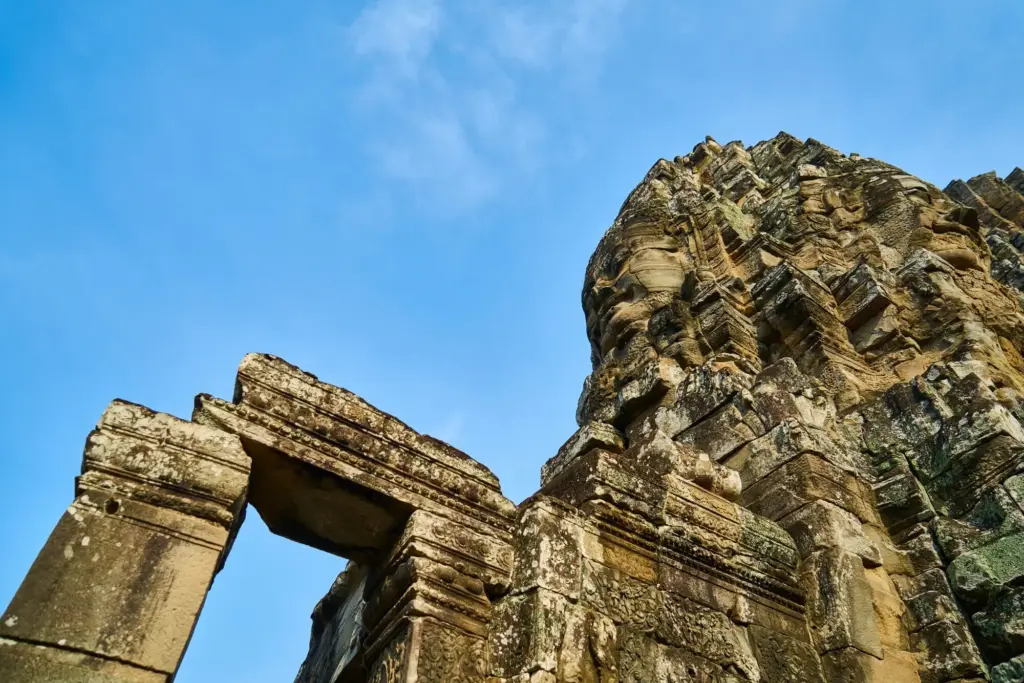
Many modern towpaths follow older river haulage routes where human and horse power once dragged freight against current. Bridge arches sometimes show rope scars; quays hide beneath weeds; place names whisper of guilds and tolls. In France they say chemin de halage, in Germany Treidelpfad, reminders that commerce once marched here. Your sprint stitches today’s effort through yesterday’s enduring infrastructure.

Fuel, Water, and Micro-Resupply

Short, fierce accelerations demand steady carbohydrate and sodium trickled through the ride. Stock compact pastries, soft chews, and pocketable sandwiches. Refill at cafes near bridges, public taps, or cemeteries in certain regions, filtering river sources when uncertain. Eat early, sip often, and keep wrappers secured. Smooth fueling upholds reliable power while honoring quiet banks and tidy, respectful stops.

Safety, Etiquette, and Stewardship

Towpaths are shared, living places. Sprints must yield to walkers, anglers, children, and the occasional horse. Signal early with a bell and voice, slow well before passing, and smile. Avoid skids that scar surfaces, respect signed closures, and keep music in your head. Protect the water’s edge; it holds nests, history, and tomorrow’s welcome when you return with friends.

Route Building and Backup Plans

Great sessions begin with thoughtful mapping. Combine OpenStreetMap, canal trust notices, and local cycling forums to spot closures, rough patches, and legal access. Design intervals between locks and bridges, then add bailouts: rail stations, village roads, or ferries. Pack a paper map, spare battery, and cash. Preparation turns uncertain margins into calm confidence when weather and luck shift suddenly.

Community Challenge and Shared Wisdom

Join our friendly experiment: record a respectful lock-to-lock or bridge-to-bridge burst during quiet hours, greeting everyone as you pass, then share your time, route file, and a small story. Post a photo of a rope-scarred arch, a dawn bakery stop, or a contented swan. Subscribe for fresh routes, mini-workouts, and interviews that keep heritage, effort, and kindness rolling together.

Share Your Fastest Bridge-to-Bridge Burst

Pick a segment with wide sightlines and minimal foot traffic, ride it politely, then cool down and reflect on what went well. Upload your file and notes so others can learn. Did cadence save traction? Did patience during a passerby create a better second attempt? Collective refinement matters more than raw numbers, and applause travels farther than any KOM crown.

Recommend Beloved Arches, Bakeries, and Repairs

Tell us where the friendliest lockkeeper waves, which village bakery sells perfect pocket pastries, and where a wandering spoke once found a lifesaving truing stand. Map rope-grooved bridges worth a detour, plus benches ideal for stretching calves. Your micro-guidebook keeps riders fueled, informed, and generous, turning solitary sessions into a loosely woven community riding the same timeless corridor.

Subscribe for Routes, Workouts, and Stories

Add your email to receive curated GPX files, seasonal sprint sets, and short features on canal history, engineering, and etiquette. Expect practical, joyful notes that fit into real weeks, not fantasy calendars. Reply with questions; we answer and adapt. Together we protect access, nurture speed, and celebrate mornings when mist, stone, and freewheels whisper along the same winding bank.